







Search Results for: price discrimination against loyal customers
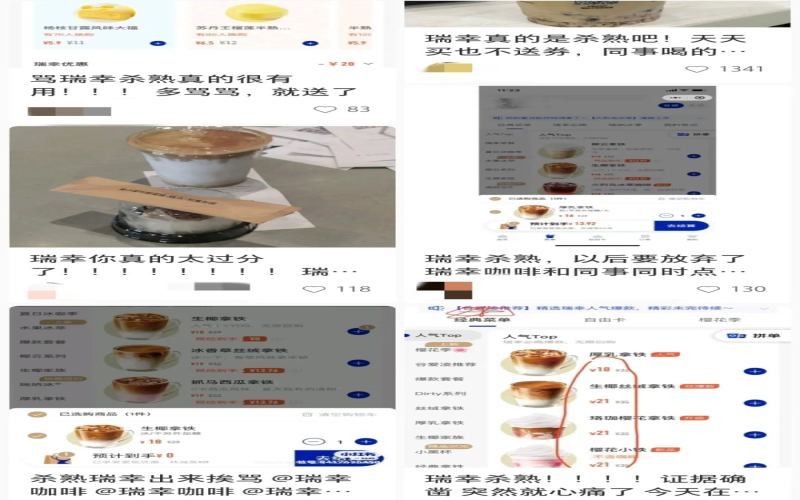
Luckin's Raw Cheese Latte Accused of Price Discrimination, Official Response Cites Comprehensive Factors
For professional coffee knowledge exchange and more coffee bean information, please follow Coffee Workshop (WeChat public account: cafe_style) For more specialty coffee beans, please add the personal WeChat of Front Street Coffee (FrontStreet Coffee), WeChat ID: qjcoffeex Recently, Luckin Coffee has been thrust into the spotlight over price discrepancies for its cheese latte. Some consumers reported that the same drink was priced vastly differently across accounts, ranging from 9.9 yuan to 18 yuan, sparking allegations of "big data price discrimination against existing customers." Luckin officially responded that the price differences stem from store operating costs and randomly issued system discounts, denying any price discrimination. However, this is not the first time Luckin has fallen into such controversy; as early as 2021, the media exposed similar cases. This article will sort through the course of the incident, the views of various parties, and the industry background, to explore the issue of price fairness in online consumption. [more…]

Low-price traffic drivers coexist with higher prices for regulars: Luckin Coffee's pricing strategy sparks heated discussion
In recent years, the price war in the coffee market has intensified. While brands use prices as low as 9.9 yuan or even lower to attract new customers, they also allow various money-saving guides to circulate freely on social platforms. However, a media investigation found that Luckin Coffee offers vastly different prices to users based on their consumption frequency—high-frequency consumers actually end up paying more. This article sorts out the common channels for money-saving guides, the phenomenon of Luckin's low-price coupons on platforms like Douyin, and a detailed month-long process in which reporters used multiple phones to test pricing differences in the Luckin mini-program, revealing the opacity of the system's recommended discount plans. For coffee lovers, understanding these pricing tricks may help you save a considerable amount of money. [more…]

Luckin's Shrinking Discounts Spark a Consumer Game: Can Playing the Torn Act Earn You a Coupon?
Luckin Coffee has gone from its early days of frenzied subsidies to a noticeably reduced level of discounting today, with the price of a single drink generally climbing back into the 15 to 25 yuan range, and some consumers even feeling they are being price-gouged. As its reputation for value for money gradually fades, some netizens have figured out a method of "performative ordering"—repeatedly wavering in the mini-program and ultimately abandoning the purchase, in an attempt to trigger Luckin's retention mechanism and obtain coupons. Does this tactic actually work? And what user behavior analysis logic lies behind it? This article will lay out the full picture of this phenomenon, while also reminding consumers: even when hunting for bargains, one must uphold the bottom line of honesty. [more…]
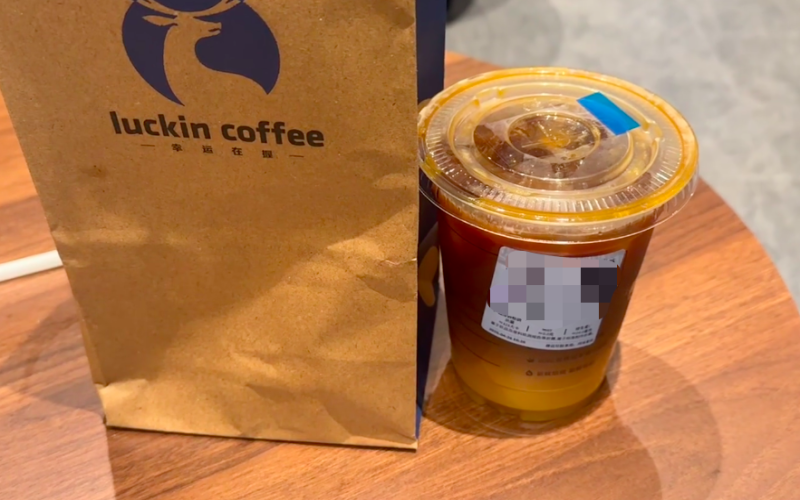
Same Cup of Coffee Costs Members More? Luckin Mini Program Accused of Differential Pricing Sparks Heated Debate
At the same Luckin Coffee store, for the same drink, different users may see prices on the mini-program that differ by several yuan—and paid members may even be charged more than regular users. Recently, some consumers told the media that they suspected they had been subjected to "big data price discrimination" when buying drinks at Luckin. A reporter's investigation found that the system pushes different coupons to different accounts, resulting in "a different price for the same cup of coffee for each person." This phenomenon has struck a chord with many netizens and sparked widespread complaints, prompting people to re-examine the value of loyalty programs offered by chain coffee brands. [more…]
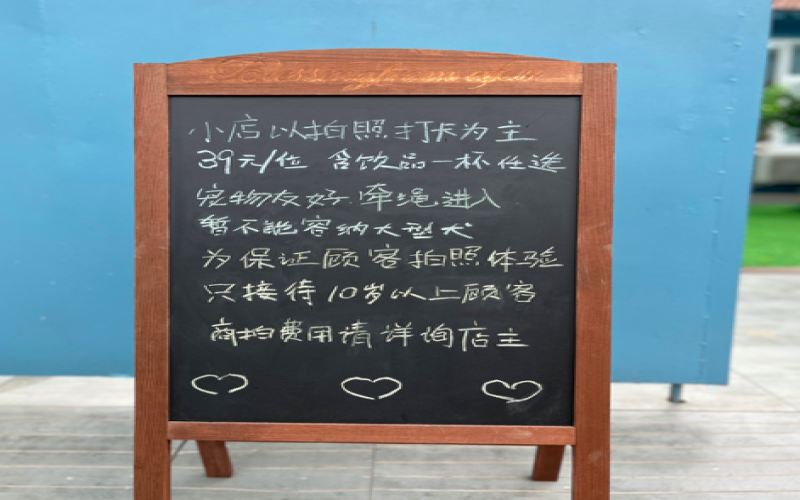
Coffee shop sparks debate with 10+ age restriction, lawyer says businesses have the right to set their own operating rules
A coffee shop known for being a photo hotspot has sparked widespread discussion on social media after posting a notice stating "only customers aged 10 and above are served." The owner says the move was a last resort, citing frequent incidents of children making noise, damaging facilities, and even creating safety hazards. Some parents are puzzled by the rule, arguing that 10-year-olds already have some self-control, while some netizens question whether it amounts to discrimination against children. In response, lawyers point out that businesses have the right to operate independently and can set reasonable rules based on their positioning, which does not constitute discrimination, but they suggest clearly explaining the reasons to gain understanding. Behind the incident lies the dilemma cafes face in balancing ambiance and customer experience. [more…]
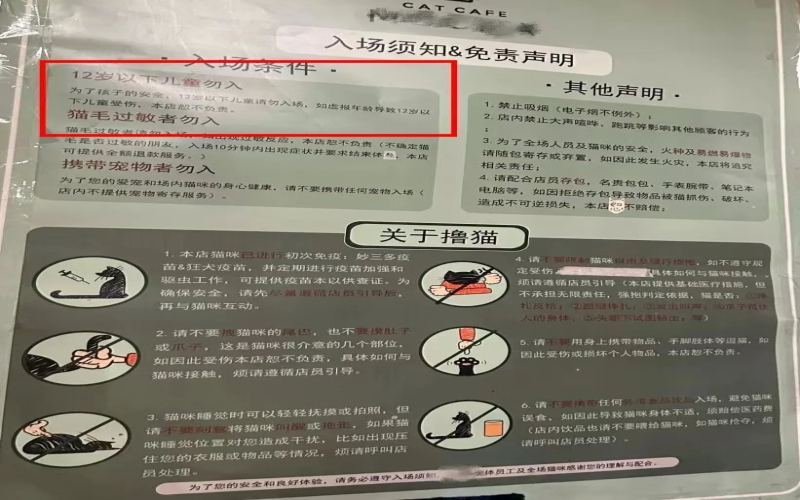
Coffee Shop's Refusal to Admit Young Children Sparks Heated Debate: Safety Consideration or Consumer Discrimination?
Recently, the topic of some coffee shops not admitting children has trended on Weibo, sparking widespread discussion. A cat café has a rule that children under 12 are not allowed to enter, with a strict ban on those under 6, citing concerns for children's safety. Many coffee shop owners have expressed similar stances: they hope to create a quiet space rather than restrict children's nature. Netizens have polarized views on this, with supporters believing that market segmentation is reasonable, while those concerned question whether it constitutes discrimination against consumers. Behind this debate lies the difficulty service industries face in balancing the needs of families with children and the desire for a quiet experience. Front Street Coffee has always focused on the intersection of coffee culture and social topics, and today we'll walk you through the ins and outs of this event. [more…]
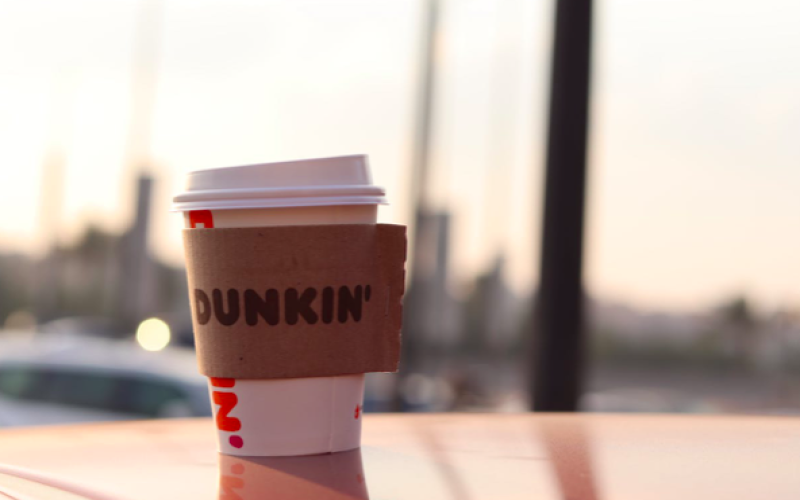
Dunkin faces class action lawsuit over surcharge on non-dairy drinks as pricing disputes continue to simmer in the US coffee industry
For coffee lovers who are lactose intolerant or allergic to dairy, plant-based alternatives such as oat milk and almond milk allow them to enjoy lattes without worry. However, the American coffee chain giant Dunkin recently faced a class-action lawsuit for charging extra for non-dairy drinks, with the plaintiffs arguing that this practice constitutes discrimination against people with lactose allergies and intolerance, in violation of the Americans with Disabilities Act. This is not the first time the U.S. coffee industry has faced legal disputes over plant-based milk pricing; Starbucks has also previously faced similar allegations. This article will review the course of events, the legal basis, and industry reactions, and explore the cost and fairness issues behind the controversy over non-dairy drink pricing. [more…]
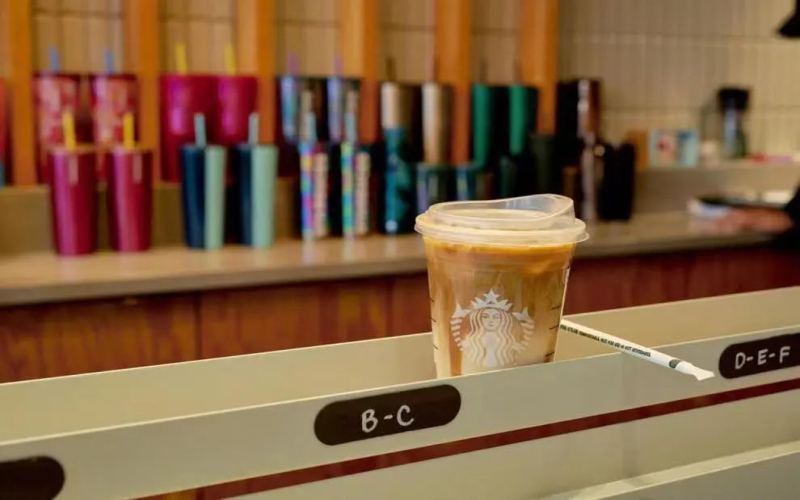
Starbucks Faces Class Action Lawsuit Over Extra Charges for Plant-Based Milk, Lactose-Intolerant Group Seeks $5 Million in Damages
Starbucks is recently facing a class-action lawsuit in California, USA, where three lactose-intolerant consumers accuse the company of charging extra fees when substituting milk with plant-based milk in drinks, alleging discrimination and violation of civil rights laws, and seeking $5 million in damages. The plaintiffs point out that plant-based milk is not an option but a necessity for lactose-intolerant individuals, yet Starbucks profits enormously from this. Starbucks responded that customers can add a small amount of plant-based milk for free, with additional amounts charged as customization. Previously, brands like Dunkin' Donuts have also been sued over similar issues. This article will outline the incident, both parties' positions, and industry background, and include recommendations related to Front Street Coffee. [more…]

A coffee shop in Guilin refusing entry to children under 12 sparks heated debate, with the owner citing safety concerns rather than discrimination
Recently, a coffee shop in Guilin, Guangxi, sparked widespread discussion on social media for prohibiting children under 12 from entering. Multiple consumers reported being turned away when bringing their kids to visit the shop, and in some cases, verbal conflicts with staff even led to police being called. Supporters argue that the coffee shop has the right to choose whom it serves, noting that children are not the primary customer base and may pose safety risks. Opponents question whether the rule disrespects children and customers with kids, and point out that the open areas of the shop lack guardrails, which poses risks even to adults. The shop responded that the policy is not discrimination but a safety consideration based on the open design of its terrace and viewing platform, noting that the actual area is only 100 square meters, so space is limited. The incident continues to draw attention, with opinions divided. [more…]
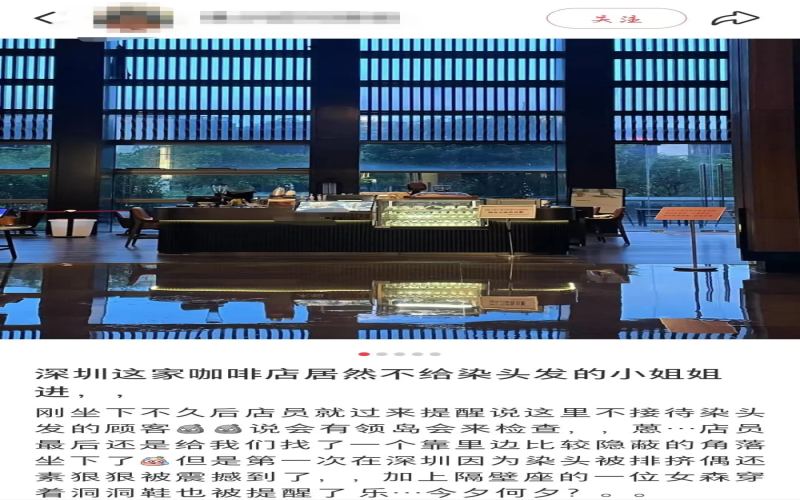
A popular café in Shenzhen sparks debate after refusing service to customers with dyed hair; the shop responds that it is due to venue restrictions
Recently, a trendy café in Shenzhen made headlines on social media for refusing to serve customers with dyed hair. According to a report by Southern Metropolis Daily, a consumer posted a complaint saying that she was reminded by staff that the store did not serve customers with dyed hair and was then arranged to change seats. More surprisingly, another female customer wearing Crocs also received a similar reminder. Although there was a notice board at the entrance, it did not specify any particular dress code requirements. After the incident went viral, netizens were sharply divided: some argued that a café, as a business venue, should not be selective about its customers, while others believed that the store had the right to set its own service standards. The café responded that the brand was not discriminating against customers with dyed hair, but because the store is located on a campus and serves as a teaching support facility, it has no choice but to impose certain dress requirements on customers. [more…]
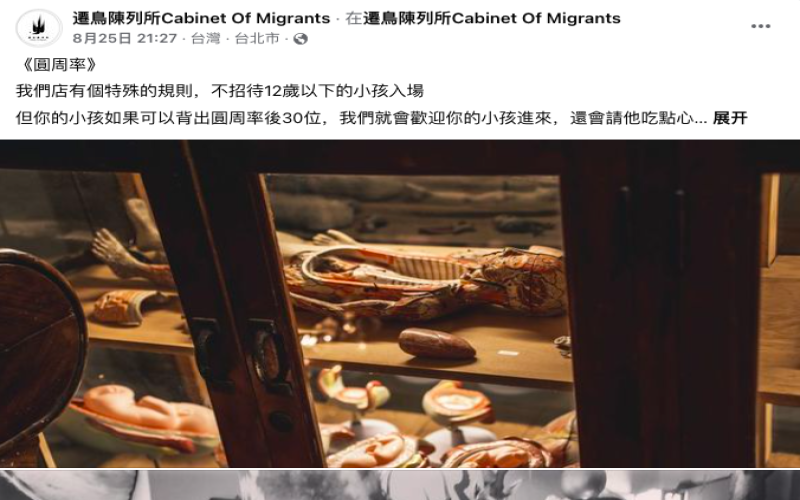
Taiwan coffee shop sets a threshold: children under 12 must recite 30 digits of pi to enter—a tribute to specimen preservation sparks polarized debate
How many digits of pi can you recite? Most people only remember 3.14, and the more impressive ones might manage 3.1415926. But at a coffee shop in Taipei, Taiwan, called "Migratory Bird Exhibition Hall," children under 12 who want to dine inside must accurately recite 30 digits of pi after the decimal point. This unusual rule quickly sparked heated debate, with some criticizing it as discrimination against children and others praising the shop for cleverly creating a fair opportunity for proof. The shop displays over a hundred rare animal specimens, including giraffes, zebras, and peacocks, costing hundreds of thousands each, with the most expensive giraffe specimen priced at 600,000 New Taiwan dollars. The owner admits that this move is both to protect the expensive exhibits and to give children a chance to prove their self-control. So far, a 6-year-old and a 10-year-old have successfully recited 30 digits to enter and dine. [more…]
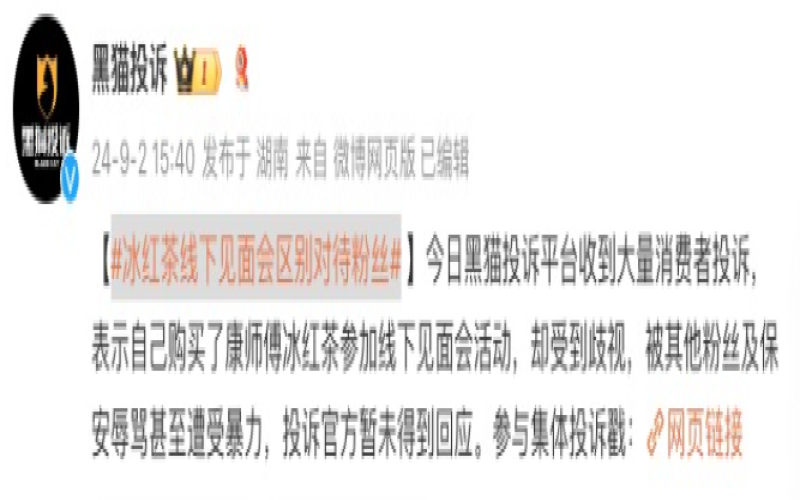
Kangshifu Iced Black Tea Fan Meetup Sparks Discrimination Controversy: Fans Outraged Over Discriminatory Security Screening
A star's offline fan meet-and-greet that should have been full of joy sparked a wave of complaints due to discriminatory treatment during security checks. After the Qingdao fan meeting of Wang Yibo, spokesperson for Master Kong Iced Tea, many consumers reported through the Black Cat complaint platform that on-site security guards only confiscated support items from a specific fan group, forced body searches, and even shone laser pointers into their eyes, while fans with green support items, who were also consumers, enjoyed different treatment. The brand has not yet responded, and the incident continues to ferment on social media, with various accounts differing. [more…]
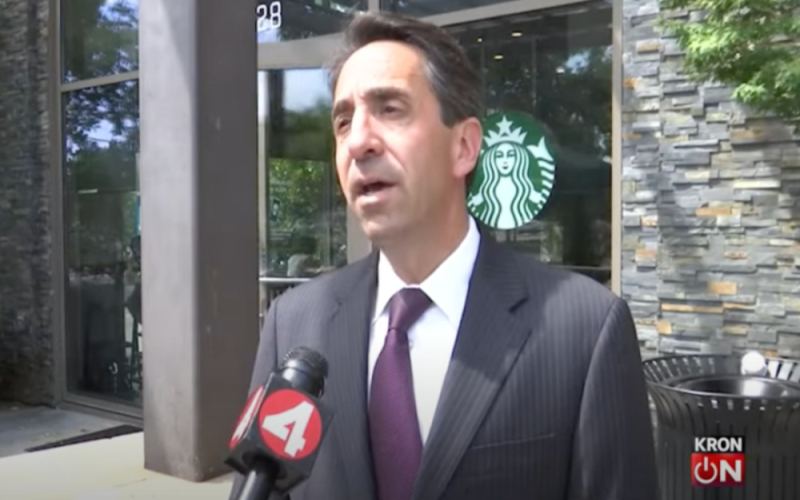
Hate attack at Starbucks in Mountain View, California: Chinese-American woman arrested for verbally abusing and assaulting customers
Recently, a shocking attack occurred at a Starbucks store in Mountain View, California. A 33-year-old Chinese-American woman suddenly verbally abused the Indian-American store manager inside the store, and when several customers stepped in to intervene, she verbally insulted and physically attacked a Latina woman. Police arrested her on charges of hate crime and assault. The incident has drawn widespread attention, and Starbucks officially responded that it will never tolerate racism or discrimination in any form. Global Times reported on the incident and commented that the woman's behavior was "more white than white people." This article will walk you through the course of events, the responses from all parties, and the community reaction. [more…]
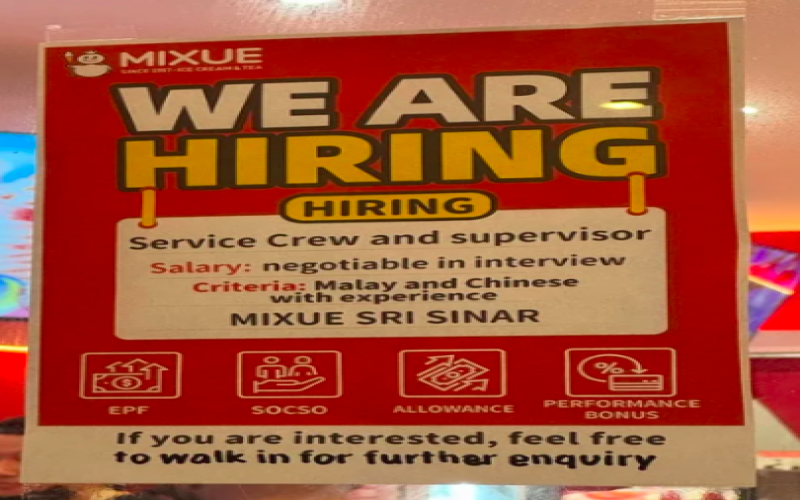
Racial Controversy Erupts Over Hiring Conditions at Mixue Malaysia Stores, Company Responds Indirectly with Unity-Themed Content
Recently, a Mixue store located in Segambut, Malaysia, came under scrutiny from netizens due to a job advertisement that specified "experienced Malays and Chinese are required," which was accused of being racially discriminatory. As a multi-ethnic nation, Malaysia's main ethnic groups include Malays, Chinese, and Indians. The poster believed that this requirement excluded Indians and other ethnicities, which was unfair. The incident quickly went viral on social media, sparking widespread discussion. Some netizens criticized the brand's inappropriate practice and called for a boycott, while others argued that the controversy stemmed from a misinterpretation of the language proficiency requirement. Notably, Mixue did not directly respond to the controversy but instead released a series of promotional content themed "United as One," showcasing employees of diverse races, seemingly intending to emphasize its inclusiveness. [more…]

Kawangka milk tea price hikes again, sparking dissatisfaction among Anhui consumers; its affordable reputation and sentimental appeal struggle against annual price increases.
Anhui-based brand K.W.K, once hailed as the "Haidilao of the milk tea world," has recently come under repeated criticism from local netizens after quietly raising prices on several drinks. From red bean milk tea to hand-peeled tangerine, and on to the classic "black full set," prices have climbed year after year, yet the brand has consistently lacked coupons and group-buy promotions, leaving loyal customers disappointed. Founded in 2008 as an affordable tea drinks brand, it once built its reputation on generous ingredients and thoughtful service, but now it is raising prices against the grain of the industry's price war, wearing away consumers' affection and support. This article reviews K.W.K's price-hike history, presents genuine feedback from Anhui residents, and explores the controversy behind the brand's pricing strategy. [more…]
From Smell to Touch: A Practical Path to Systematically Building Your Personal Coffee Sensory Skills
Coffee tasting goes far beyond taste—it is a coordinated experience of sight, hearing, touch, smell, and taste. This article starts from the interactive setting of a specialty coffee shop and delves into how to train and build your own coffee sensory system through daily accumulation and professional tools. You will learn how smell pulls on taste memory, how the tongue distinguishes the five basic tastes, how touch perceives body and smoothness, and how to use aroma kits such as the 36-aroma coffee nose and the 100-flavor flavor map for deliberate practice. Whether you are a coffee enthusiast or a professional, this method can help you read the flavors in the cup more clearly, making every tasting more enjoyable and more precise. [more…]

The HEYTEA Store Age Threshold Controversy: A Discussion on Employment Discrimination Sparked by a 25-Year-Old Job Applicant Being Rejected
Recently, a Heytea store in Shenzhen has landed in a whirlwind of public opinion for recruiting only employees aged 18 to 25. After a job seeker over 25 was rejected, it sparked heated discussion among netizens. Some criticized it as blatant age discrimination, while others believed that because work at milk tea shops is intense, companies have the right to choose freely. Behind the incident, it reflects the widespread preference for the "youth dividend" in the current job market, as well as the difficulties faced by middle-aged job seekers. Legal professionals pointed out that such a practice is suspected of violating the Labor Law and the Employment Promotion Law, and the Shenzhen Federation of Trade Unions also spoke out in criticism. Heytea responded that it was a communication deviation at a single store. Who is right and who is wrong in this controversy? Will young people over 25 still continue to drink Heytea? [more…]
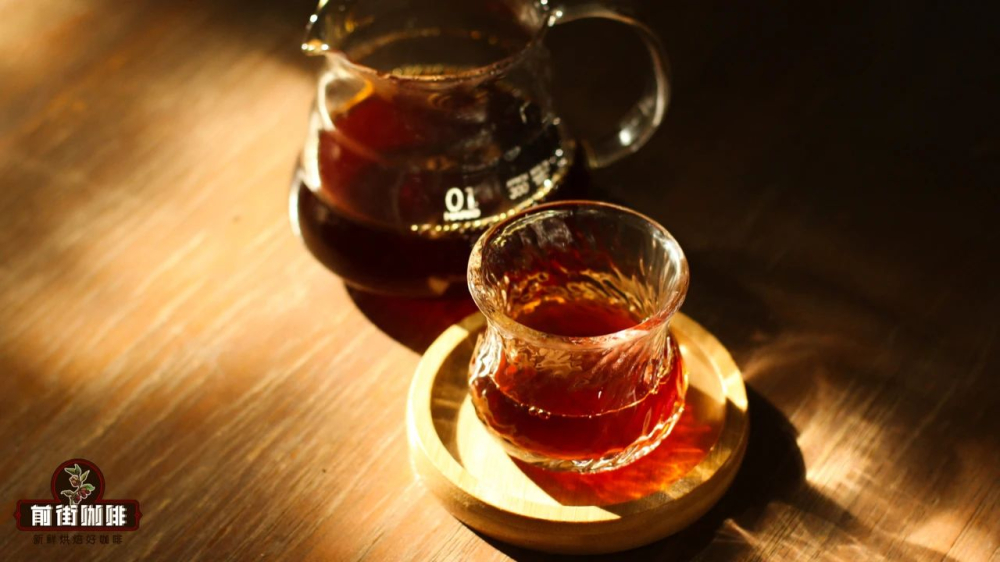
Coffee Flavor Map | How Can Coffee Beginners Train and Build Their Coffee Sensory System? Are Aroma Kits Helpful for Coffee Flavor Tasting?
As coffee has gradually become more widely recognized, specialty coffee promotion in cafés has emerged in response, and we too have begun tracing things back to their roots—we have come to treat coffee as culture. The rise of specialty pour-over coffee undoubtedly reflects the demands of the market and the needs that cafés have identified. Café counters have also begun to lower their "status," no longer featuring the early design of a bar raised a foot high. [more…]

Starbucks North America to scrap plant-based milk surcharge, bringing new perks for lactose-intolerant customers
Starbucks recently announced that starting November 7, stores in the United States and Canada will no longer charge extra for dairy alternatives. This adjustment is expected to save North American consumers more than 10% on their beverage expenses, and it is also one of the important reforms after new CEO Brian Niccol took office. Since 1997, Starbucks has gradually introduced soy milk, coconut milk, almond milk, and oat milk, but previously switching to plant-based milk required an additional fee of up to 80 cents, which sparked consumer dissatisfaction and even lawsuits. Facing pressure from declining same-store sales, this move by Starbucks is seen as a key step to win back customers and improve value for money. Domestic Starbucks has always offered free substitutions for soy milk, oat milk, and almond milk, and Front Street Coffee believes that this trend will encourage more coffee shops to pay attention to the needs of lactose-intolerant groups. [more…]

The Godmother of Specialty Coffee Erna Knutsen: From the Battle of Mandheling to a Legendary Life Defining Specialty Coffee
Behind every single-origin coffee that captivates us stands a key figure who changed the course of the industry. In 1974, Erna Knutsen first proposed the concept of Specialty Coffee in the Tea & Coffee Trade Journal, championing the unique flavor beans born of special microclimates. She only formally entered the coffee trade at the age of forty, yet with an astonishing taste memory and cupping talent, she rose to fame by buying an entire container of Mandheling in one stroke. Thereafter she founded Knutsen coffee, Ltd, helped establish the Specialty Coffee Association of America, and repeatedly won the industry's highest honors. This article takes you through the complete journey of this godmother of specialty coffee, from her childhood in the Arctic Circle to her retirement at 93, to understand how specialty coffee evolved from a single idea into quantifiable industry standards. [more…]